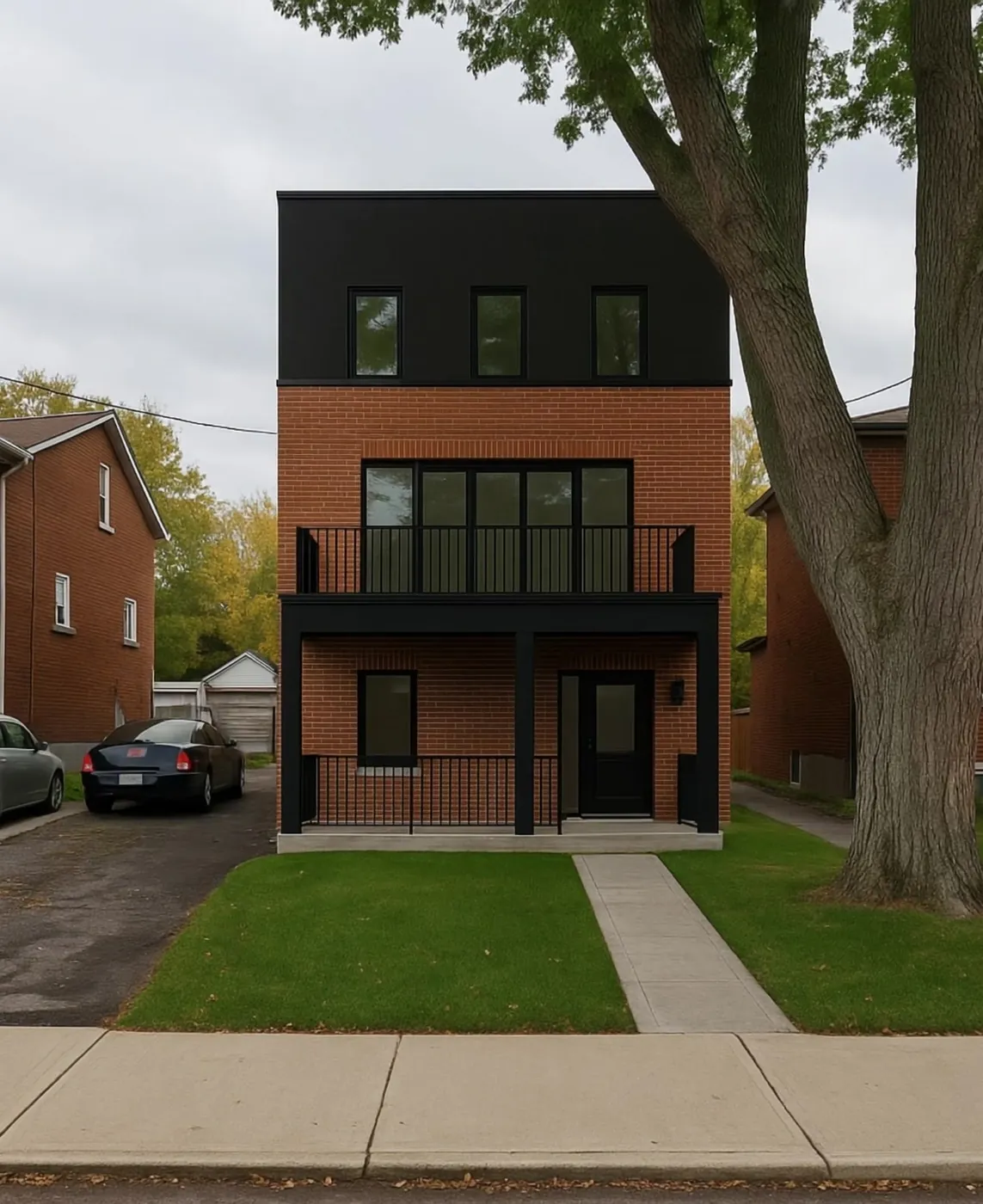
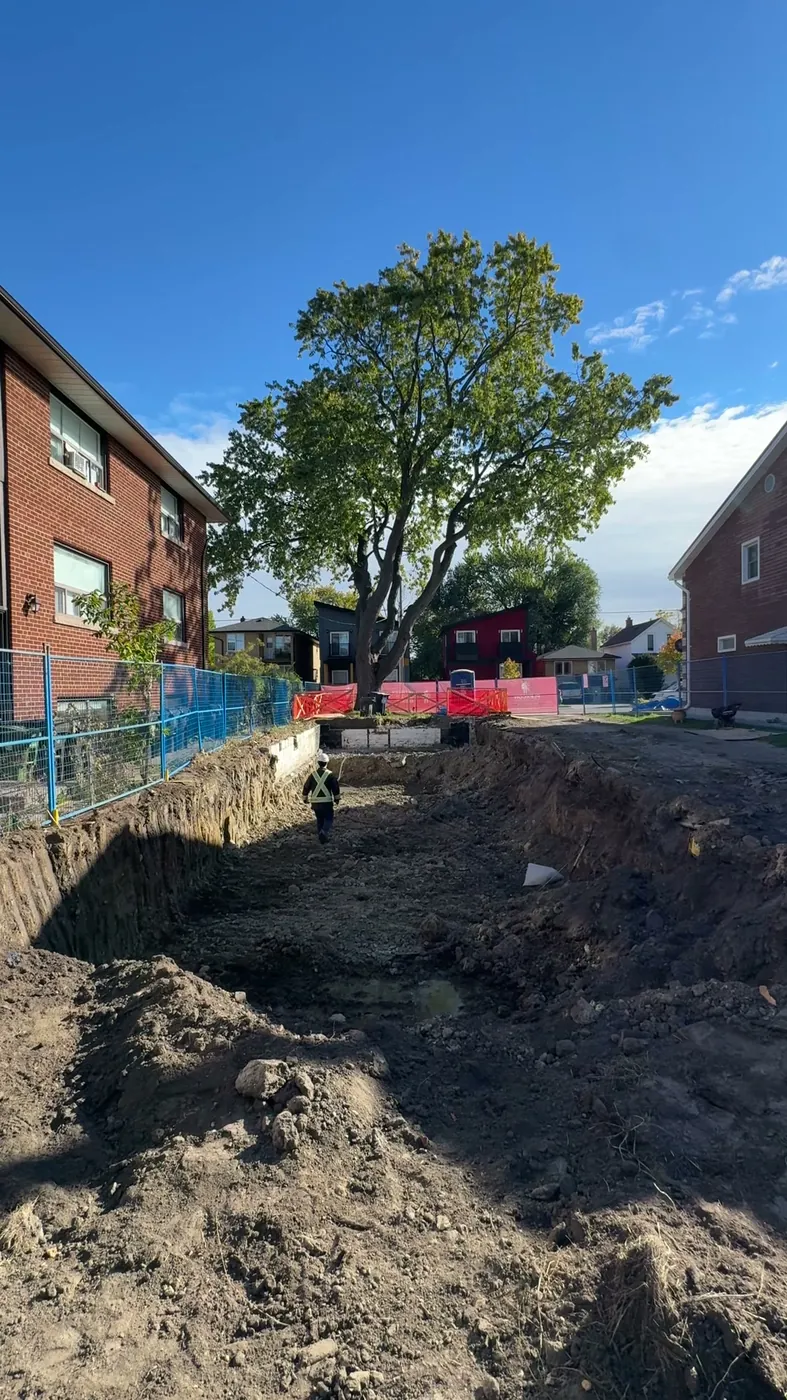
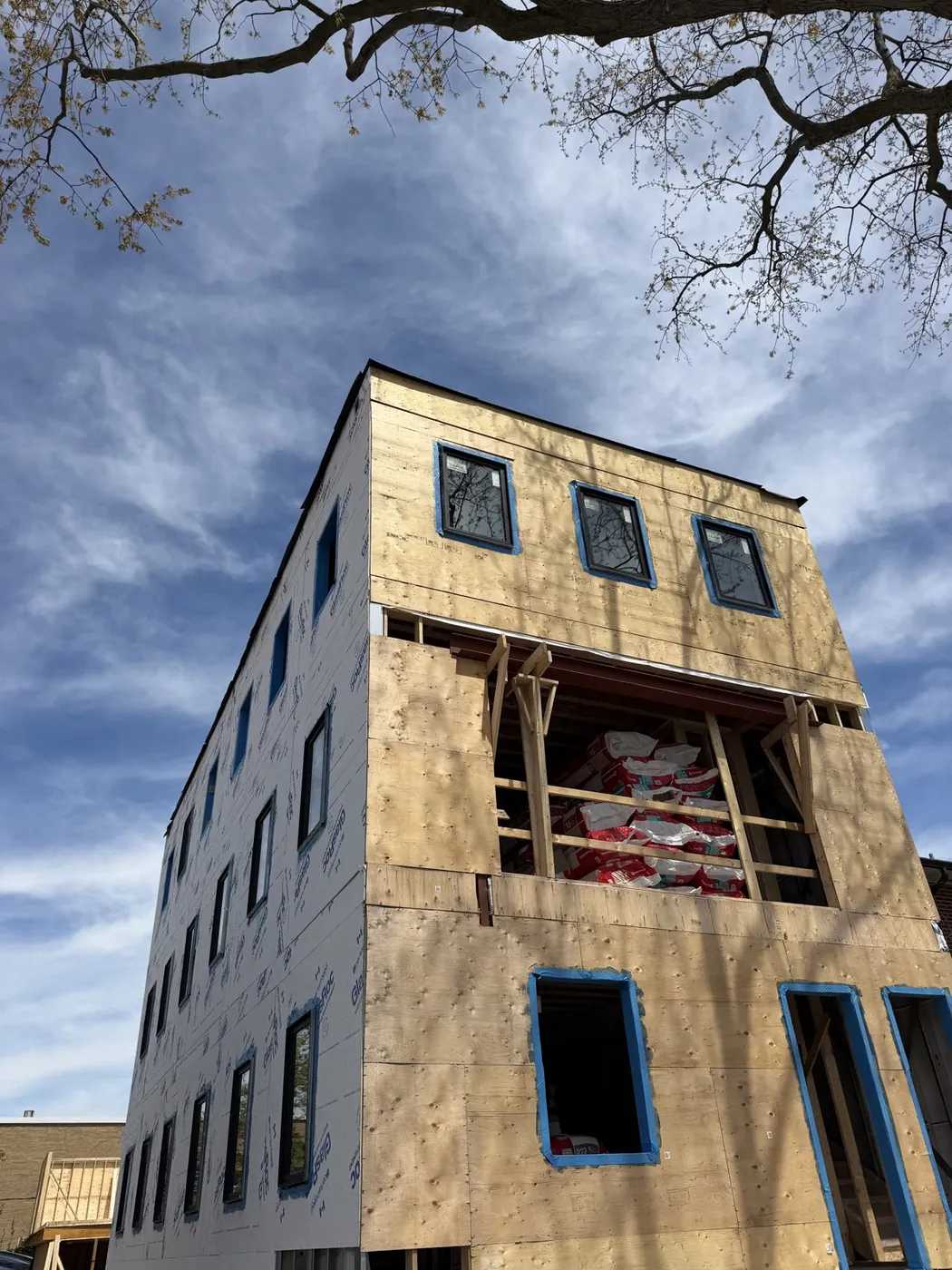
What the permissions actually get you, why the unit count decides the economics, and the parts that are harder than they look — feasibility, financing and construction — if you are taking it on yourself.
The bar gets lowered for rental housing as a matter of habit, and it shows up in the decisions nobody sees once the drywall is up. If you're choosing a Toronto multiplex developer, this is the thing worth asking about.
Toronto units got smaller because of a race to affordability, not because small is efficient. On a site where zoning caps the unit count, bigger homes cost less per square foot to build — and put usable space within reach of middle-class families.
As-of-right means the zoning already permits what you want to build. Here is what it covers, what it does not, and why we usually start from the ground rather than converting an old house.
As-of-right zoning was supposed to make this fast. Permit review is where the time actually goes — and there are a few things that genuinely shorten it.
MLI Select is the best financing available for small rental buildings — but it starts at five self-contained units. A fourplex doesn't qualify, and that changes how you should think about your site.
Four units are permitted as-of-right almost everywhere in Toronto. Six units are not. The difference is geographic, and it changes what a site is worth.
Nobody can give you a real per-unit number without seeing your lot. But the cost drivers are knowable, and two policy changes have moved the math more than anything on the construction side.
Toronto is approaching 1,000 multiplex project applications since the 2023 zoning changes. But permit delays are adding up to over a century of lost time.
Toronto Hydro connection timelines are the hidden bottleneck for multiplex developers. Months of delays and unpredictable costs threaten the as-of-right promise.