
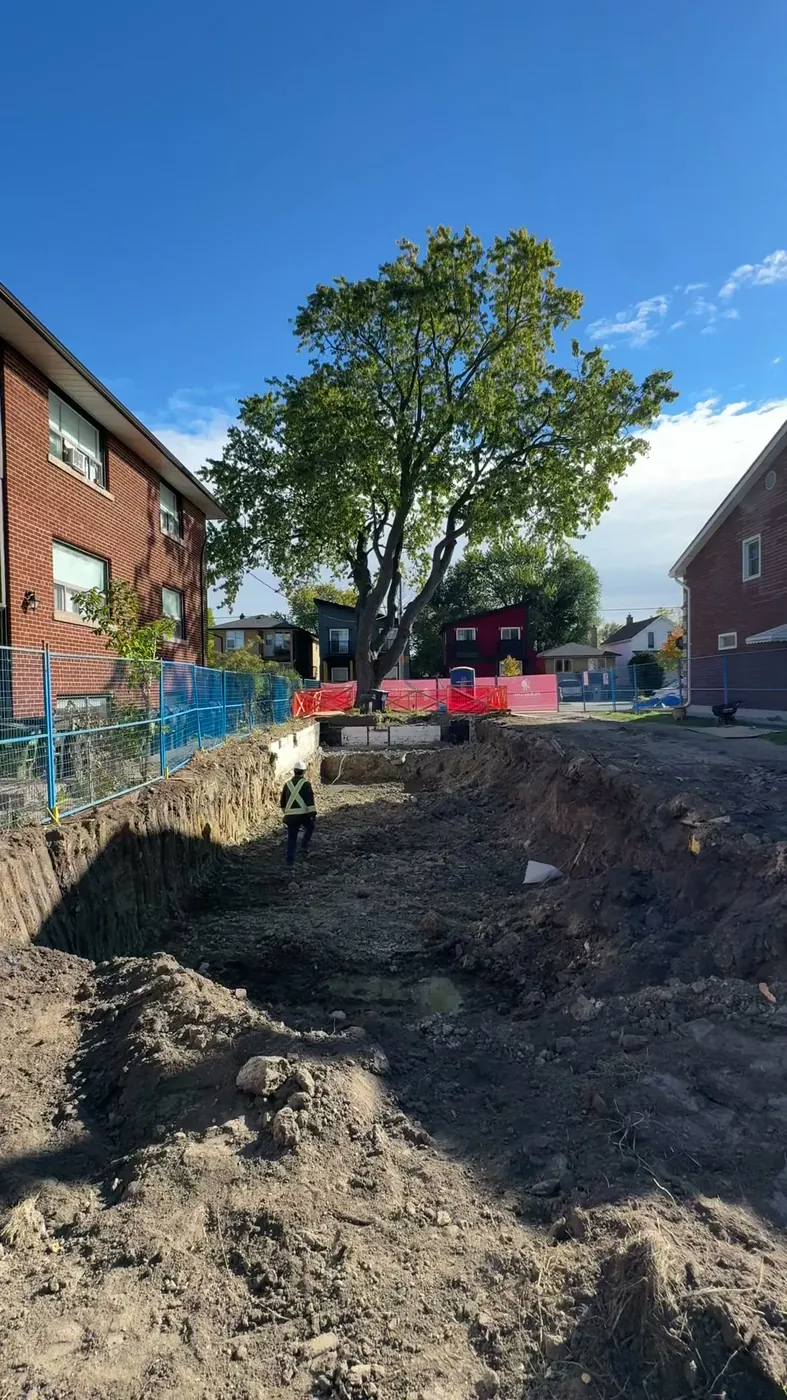
Toronto has a housing crisis. It also has some of the strongest tree protection bylaws in North America. Most of the time, these two priorities coexist. But when it comes to building multiplex housing, they're increasingly in conflict.
The Tree Problem for Multiplex Developers
Here's a scenario we encounter regularly: a residential lot in an established Toronto neighbourhood, zoned for as-of-right multiplex development. The site works. The numbers work. The neighbourhood needs the housing.
But there's a mature tree — sometimes on the lot, sometimes on the boulevard, sometimes on a neighbouring property with roots that extend across the property line. And suddenly, a project that should take 12-18 months is facing months of arborist reports, tree protection plans, and appeals.
In some cases, the cost of tree preservation measures — root barriers, structural redesigns, setback modifications — can fundamentally change the economics of a fourplex or sixplex project.
Nobody Wants to Cut Down Trees
Let's be clear: trees matter. Urban canopy is critical for climate resilience, air quality, and quality of life. No serious multiplex developer in Toronto is looking to clear-cut residential lots.
The problem isn't tree protection itself. It's that Toronto's tree bylaws weren't designed for the multiplex era. They were written when the assumption was that residential lots would stay as single-family homes. The interaction between tree protection and the new multiplex zoning permissions hasn't been reconciled.
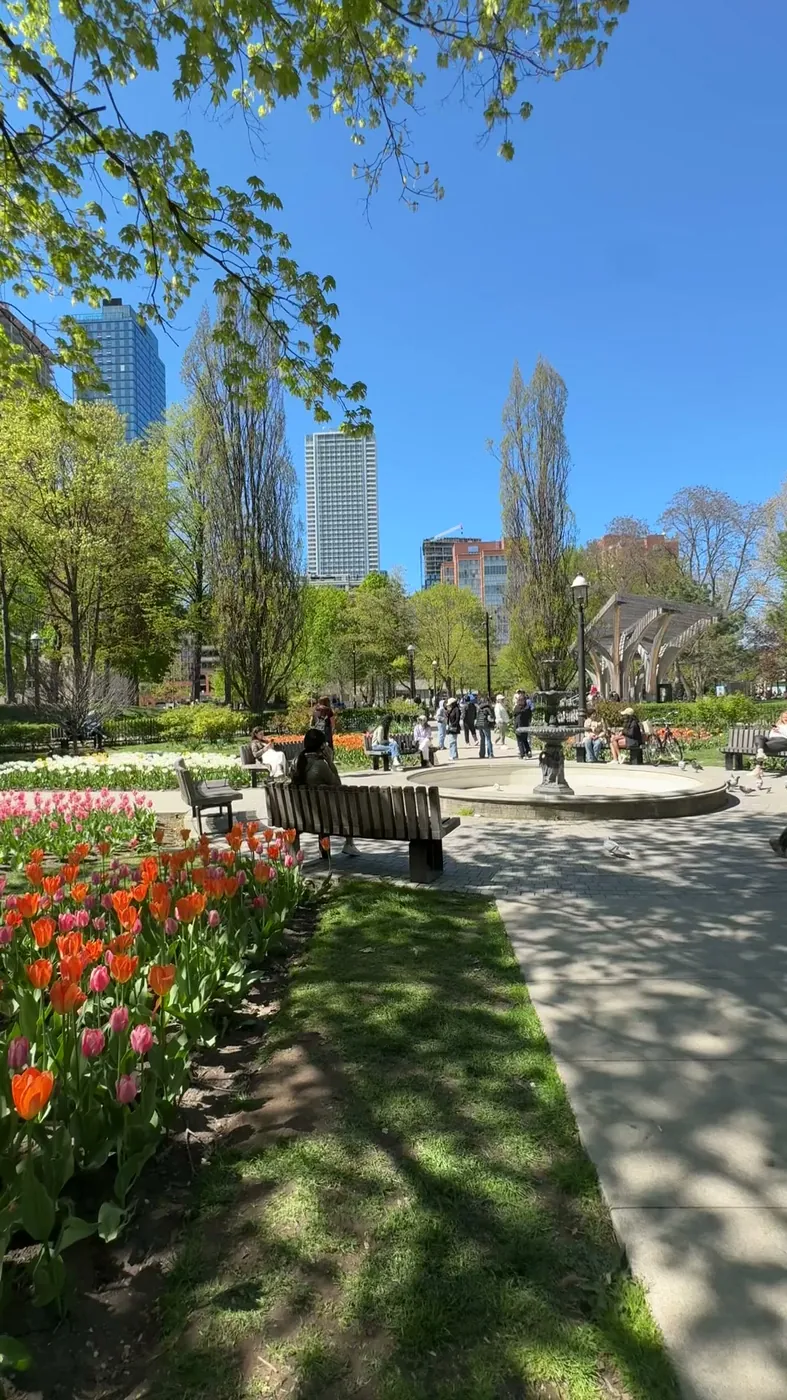
A Policy That Works Against Itself
The city wants more multiplex housing. The city also wants more trees. Both are good goals. But when the tree bylaw effectively prevents or delays multiplex construction on sites that are otherwise ready to build, the city is working against itself.
What's needed is a framework that acknowledges the tradeoff honestly: sometimes building five family homes is worth more to a neighbourhood than preserving one tree. And when preservation is possible, the process should be fast and predictable, not an open-ended negotiation.
At NBRS, we design around trees whenever we can. Our approach to FAMILY 1 respected the existing landscape from day one. But we've seen too many good projects die or stall because the policy framework treats every tree decision as a crisis.
Toronto needs multiplex housing. Toronto needs trees. It also needs a process that doesn't force builders to choose between them.