
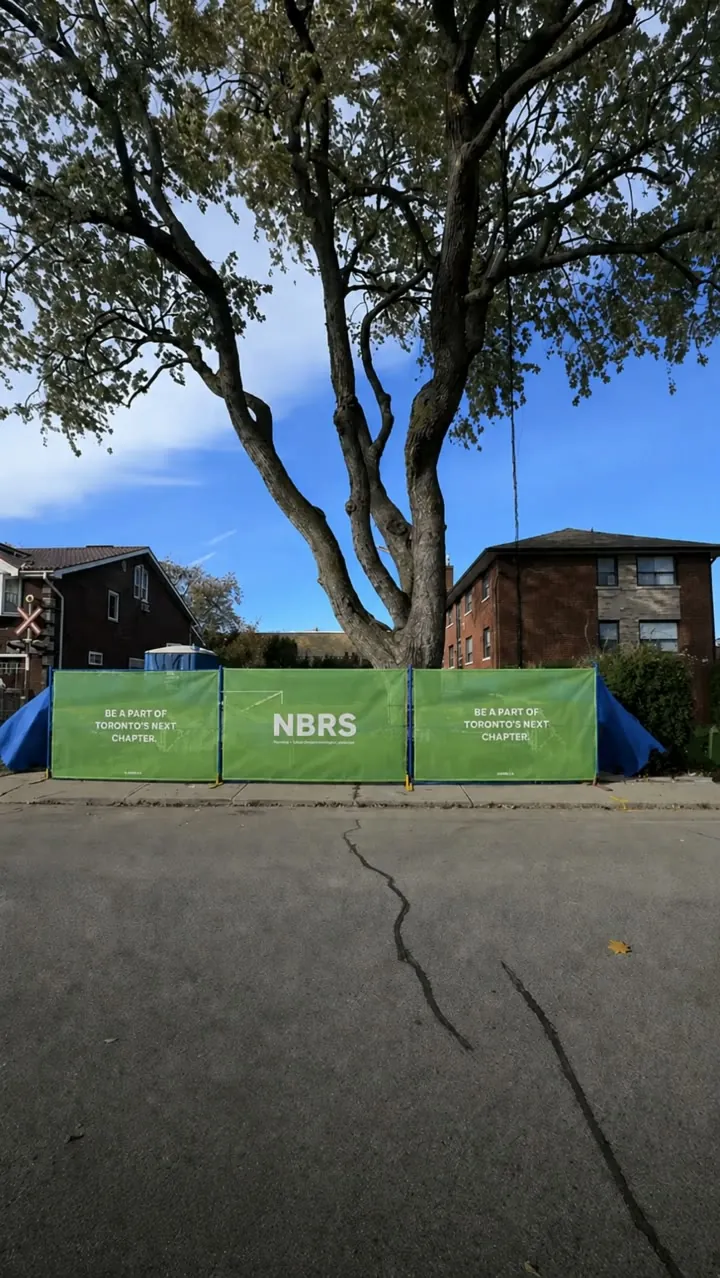
"As-of-right" sounds like it should mean "quick." It doesn't. It means your project complies with zoning, so you skip the rezoning process. Everything after that still has to happen, and in Toronto that's where the time goes.
Here's a realistic picture of the timeline, and what actually moves it.
The Real Bottleneck Isn't Zoning
When we looked at the data on Toronto multiplex applications, the pattern was clear. The zoning policy is working — applications are coming in steadily since the 2023 changes. What isn't working is permit review. Projects that already comply with zoning are waiting far longer than the policy intended.
This is a process problem, not a policy problem: review bottlenecks, inconsistent interpretation of code requirements, and departments that weren't resourced for the volume the zoning change created.
For someone holding land and paying interest on it, that distinction is academic. What matters is that "as-of-right" doesn't currently mean what it sounds like, and you should plan accordingly.
What Our Timeline Actually Looked Like
On FAMILY 1, the sequence ran like this:
April 2025 — site acquired. An as-of-right lot in an established neighbourhood.
May–August 2025 — design and approval period, with the building permit issued within four months of closing.
September 2025 — ground broken.
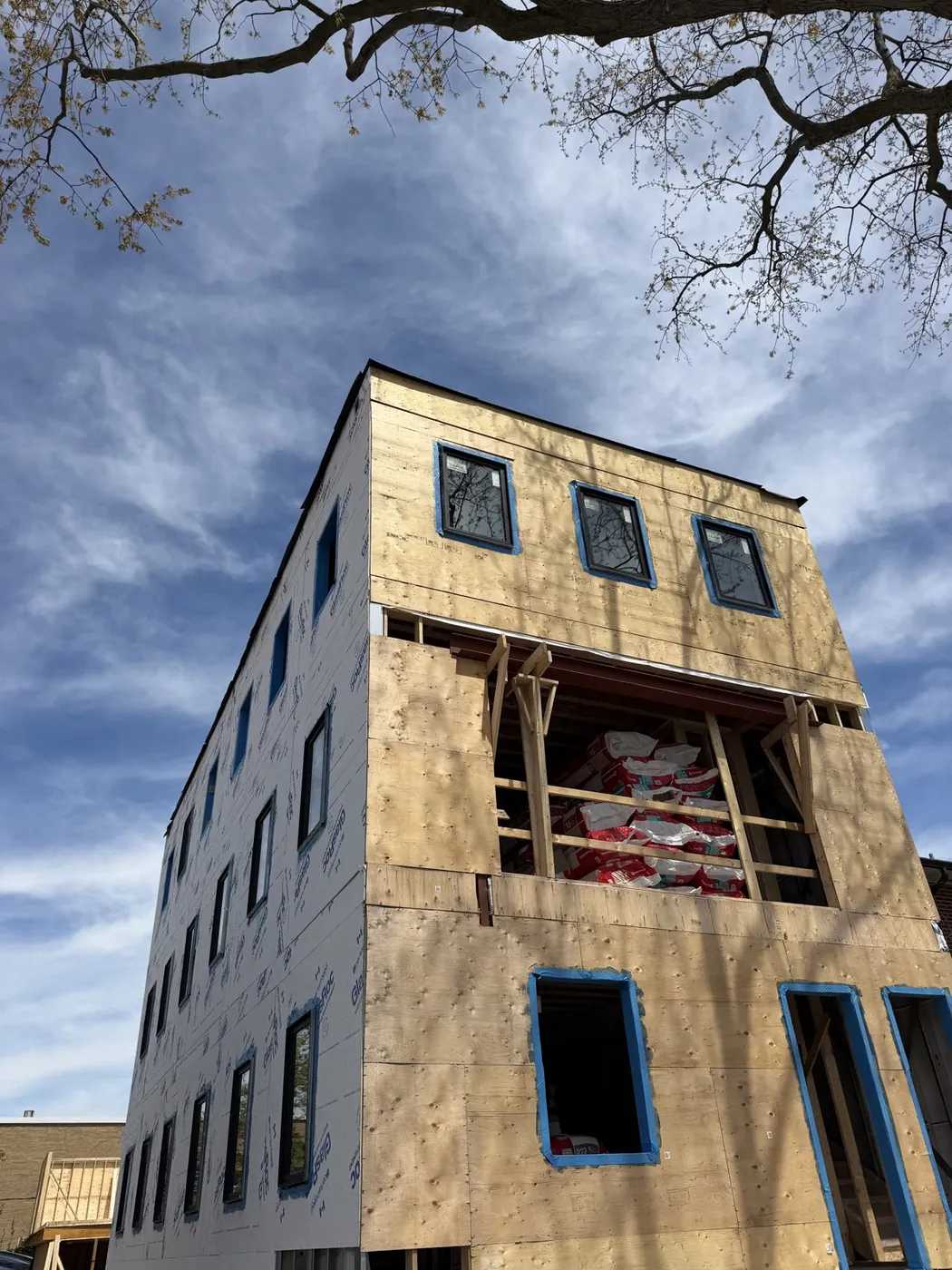
April 2026 — units framed, windows going in.
November 1, 2026 — homes available for move-in.
The FAMILY 1 case study gives the fuller account of the project and the decisions behind the homes.
We want to be straightforward that four months is faster than typical. It wasn't luck.
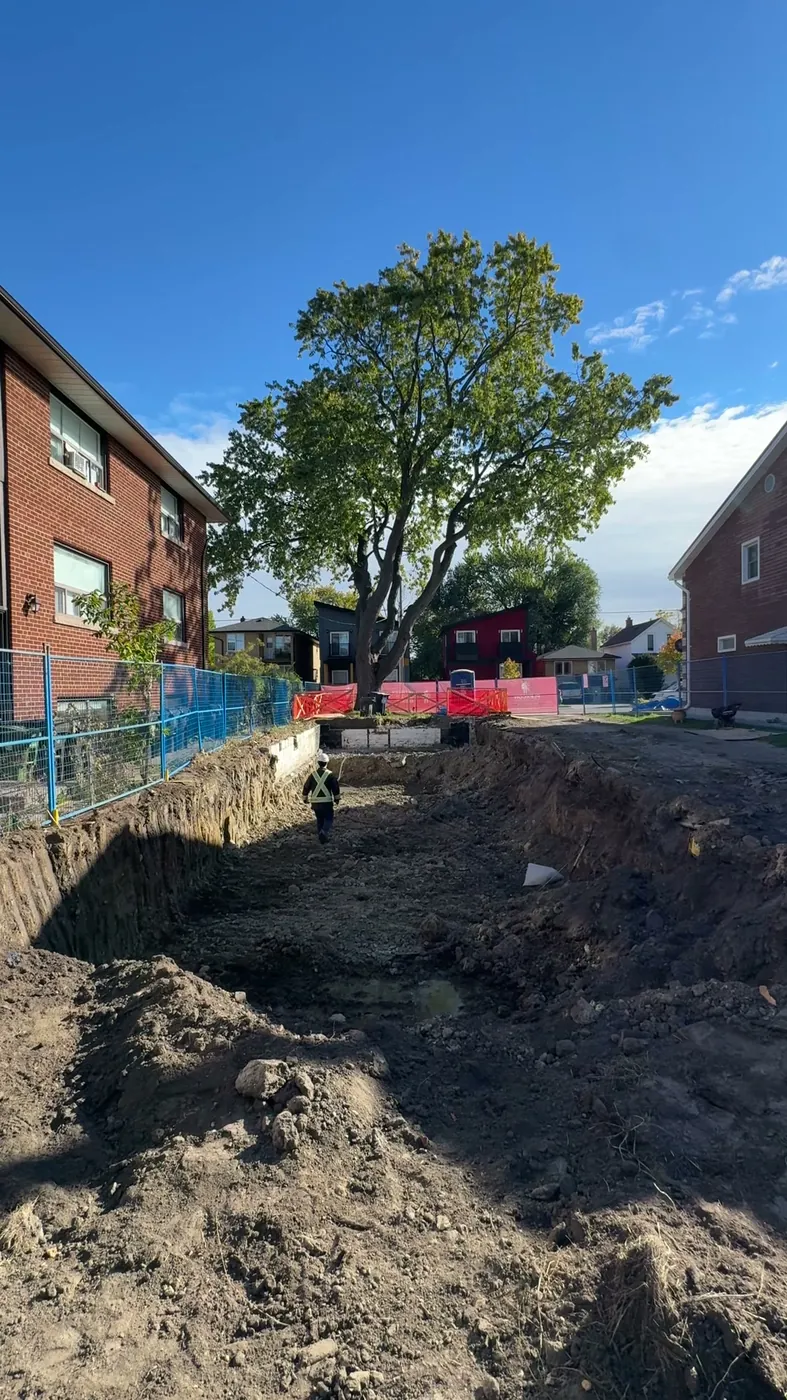
What Helped Us Move Quickly
We assessed the property before acquiring it and began the design and approval work promptly after closing. That gave the project a clear direction without pretending every decision was already settled.
We advanced a zoning-compliant design alongside a preferred design that required minor variances. That kept an as-of-right path available while the Committee of Adjustment considered the preferred design.
What to Budget If You're Planning One
If you're evaluating a project, we'd suggest planning for approvals to take longer than four months unless you've done the preparation above. A more typical range on a straightforward as-of-right multiplex is several months to permits, with construction running roughly nine to fourteen months after that depending on scale and site conditions.
Build carrying cost into your model explicitly. It's the most commonly omitted line in multiplex proformas we see, and on a project that slips six months it's not a rounding error.
The Part That Should Change
Toronto opened the door to this housing and then didn't resource the path through it. Every month a compliant project sits in review is a month a family doesn't have a home, and a month of cost that makes the next project marginally less likely to happen.
Individual builders can work around this — we do, deliberately. But workarounds aren't a substitute for a permit system that matches the ambition of the zoning policy sitting on top of it.
If you own a property and want to understand its realistic timeline, talk with us about the site.