
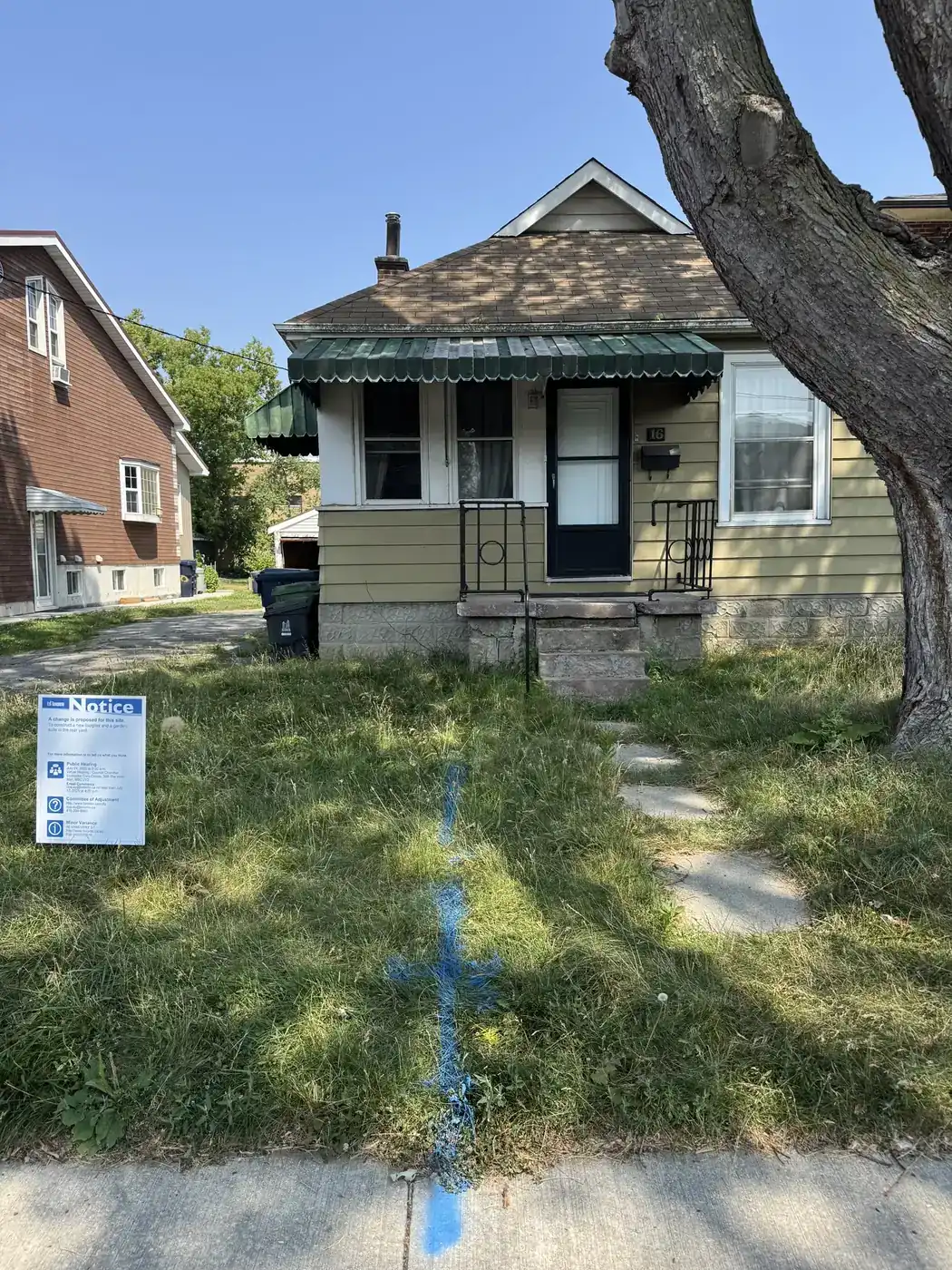
Toronto's 2023 zoning changes allow multiplex housing across the entire city — not just in dense, transit-rich neighbourhoods, but in the inner suburbs too. Scarborough, North York, Etobicoke. In theory, a fourplex or sixplex can be built on any residential lot.
In practice, suburban multiplex projects face a math problem that zoning alone can't solve.
The Parking Reality
In downtown Toronto, you can build a multiplex and reasonably expect that tenants will rely on transit, cycling, or walking. Parking can be minimal or even zero. The economics work because the building footprint isn't consumed by cars.
In suburban Toronto, that assumption falls apart. Transit service is less frequent. Distances to employment, schools, and services are longer. Families — especially the families NBRS builds for — need cars. Not as a luxury, but as a practical necessity.
And parking takes space. A lot of space.
The Soft-Scaping Squeeze
Toronto's zoning also requires 50% of the rear yard to be "soft-scaped" — meaning landscaped, not paved. This is a good policy for managing stormwater and maintaining neighbourhood character. But on a typical suburban lot, once you account for the building footprint, required parking, and that 50% rear soft-scaping requirement, there's often not enough lot left to make a multiplex work.
A fourplex that needs four parking spots and 50% rear soft-scaping on a 30-foot-wide lot is a geometric puzzle with no solution. The units get too small, the outdoor space disappears, or the project doesn't pencil.
Where Multiplex Housing Works Best
This doesn't mean suburban multiplexes are impossible. Larger lots, corner lots, and lots near emerging transit hubs can work. But the blanket as-of-right zoning creates an expectation that doesn't match reality on the ground.
At NBRS, we're focused on sites where multiplex housing makes practical sense — established neighbourhoods with transit access, walkable amenities, and lot configurations that support family-sized units without sacrificing livability.
Our first project, FAMILY 1, is in exactly this kind of neighbourhood. And we're actively looking for partners with sites that fit this profile.
The multiplex opportunity in Toronto is real. But it's not everywhere — and being honest about that helps everyone build better.
Join our waitlist to stay updated on where we're building next.