
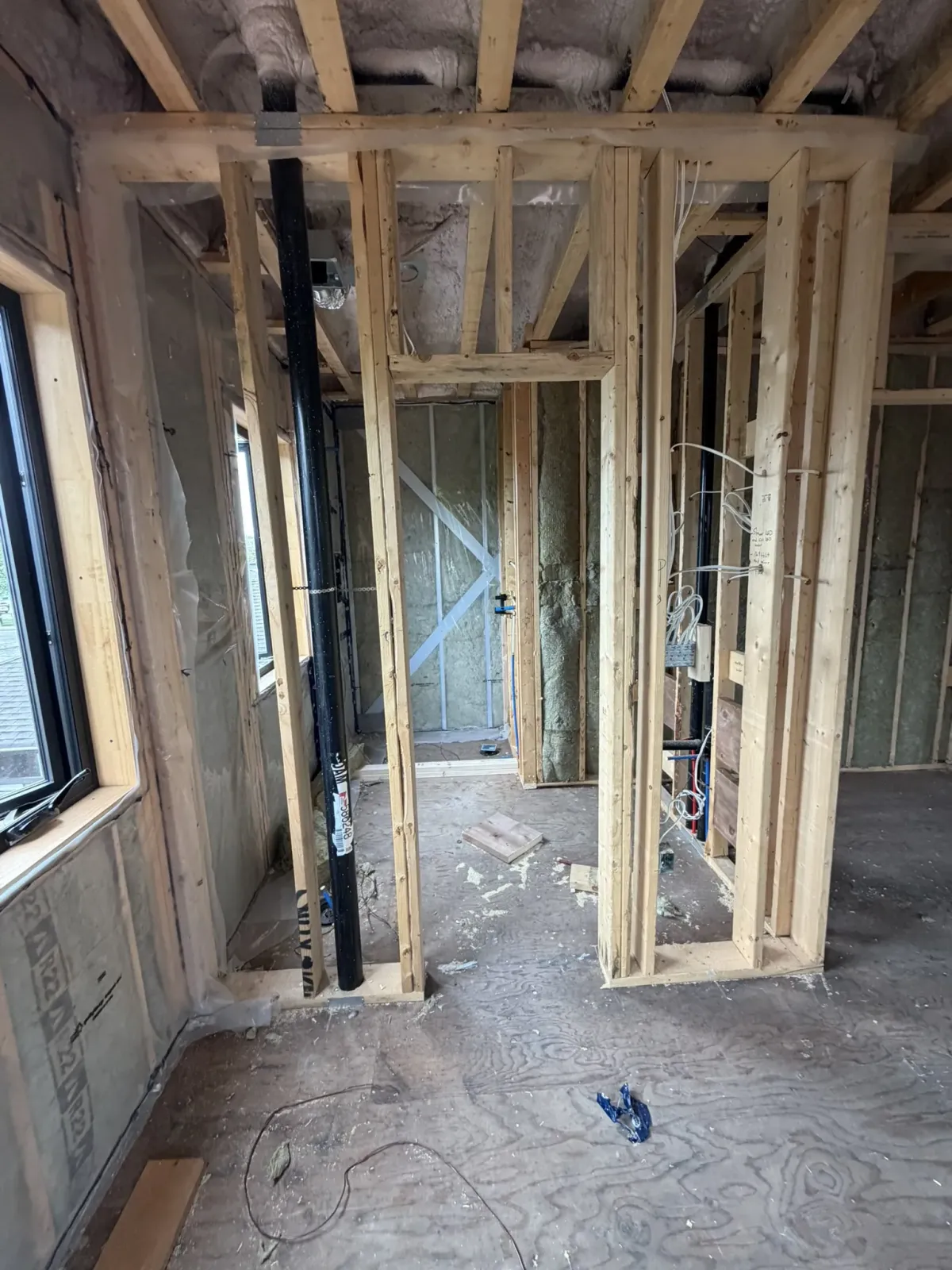
The energy target in a multiplex financing plan deserves another look. CMHC's transition period for the older MLI Select energy attestation ended on September 30, 2026. For a project still in design, the practical question is whether its energy model, building choices and financing assumptions use the current criteria.
The transition has ended
CMHC had made an attestation based on the 2015 National Building Code (NBC) or 2017 National Energy Code for Buildings (NECB) available until September 30, 2026. Its current MLI Select page points to the 2020 NBC and 2020 NECB form. This was a cutoff for the older energy attestation, not a universal deadline for MLI Select approval.
For new construction, CMHC now compares modelled energy consumption with the applicable 2020 code Tier 1 reference. A project already submitted should have its lender confirm how CMHC will treat that file. The cutoff alone does not establish that an earlier submission is approved under the old criteria.
Why the design needs another look
Changing the reference building changes the comparison. An improvement percentage from an older model may not carry across, even when the proposed building stays the same. That does not mean every multiplex fails the new test. It means the design team needs a fresh result against the right baseline.
Walls, windows, airtightness, heating, ventilation and hot water should be tested together. A larger window may improve daylight while changing heating and cooling loads. A different mechanical system may perform well only with a matching envelope. No equipment label or all-electric design automatically earns MLI Select energy points.
See the current energy thresholds
For new construction, CMHC scores the modelled reduction in energy consumption against the applicable 2020 Tier 1 reference. The building's code classification determines the Part 9 or Part 3 route; unit count alone does not.
| Energy points | Part 9: 2020 NBC | Part 3: 2020 NECB |
|---|---|---|
| 20 | 20% | 25% |
| 35 | 40% | 50% |
| 50 | 70% | 60% |
Existing buildings follow a different test: energy consumption and greenhouse gas emissions must fall by 15%, 25% or 40% from their pre-retrofit levels. Read CMHC's energy attestation.
Revisit the model before choosing upgrades
First, ask the architect and energy modeller to confirm the building's code classification and reference model. Then rerun the proposed design against it. Ask which elements drive the result and how much room there is between the modelled performance and the chosen target.
Bring the mechanical designer and builder into that discussion. Price a few coordinated options, such as improving the envelope before resizing equipment, and check their effect on layout and construction cost. CMHC requires analysis by a qualified professional and a signed attestation with the application; evidence of the completed work follows through the lender. Its documentation guide sets out that process.
Check that the revised project still works
Take the updated model, design and budget to the lender. Confirm the likely MLI Select treatment and revise the financing plan before committing to expensive upgrades. If an energy target makes the project uneconomic, compare other design and financing paths with the same care.
The useful outcome is a decision based on the same current information in the drawings, energy model, cost plan and loan discussion. For the wider program context, see our MLI Select introduction.